


public
Myths surrounding gambling what everyone gets wrong
The Notion That Gambling Is Purely About Luck
One of the most pervasive myths surrounding gambling is the belief that it is solely a game of luck. While chance plays a significant role in many gambling activities, strategic thinking, risk management, and understanding the games can dramatically improve one’s chances of winning. Games like poker or blackjack require skillful decision-making that often outweighs luck. Players who invest time in mastering the strategies of these games often find they perform better than those who rely solely on chance. Additionally, for those looking to get into gambling more seriously, it can be helpful to review the top 10 football betting sites as a resource.
Additionally, understanding the odds associated with various games can also be advantageous. Every game has a house edge, which represents the statistical advantage the casino holds over players. Educated gamblers who comprehend these odds can make informed decisions that may mitigate risks, thus debunking the myth that gambling is a mere gamble devoid of skill or knowledge.
Ultimately, while luck is a factor, dismissing the role of skill leads many players to lose sight of the complexities involved in gambling. By combining strategic gameplay with an understanding of the mathematical probabilities involved, players can approach gambling more like a calculated risk rather than a whimsical endeavor.
The Belief That All Gamblers Are Addicts
Another common misconception is that all individuals who gamble are addicts. This stereotype can perpetuate stigma around gambling, overshadowing the reality that many people engage in gambling for entertainment and social interaction. Just as not every person who enjoys alcohol is an alcoholic, not every gambler is struggling with addiction. Most individuals participate in gambling responsibly and view it as a form of leisure rather than a compulsive behavior.
Furthermore, the gambling industry has made significant strides in promoting responsible gambling practices. Many casinos and online platforms provide resources to help individuals identify and manage gambling-related issues. These initiatives emphasize moderation and encourage individuals to set limits, thereby fostering a healthier environment for casual gamblers.
While gambling addiction is a serious issue that affects a minority of individuals, it is essential to differentiate between recreational gamblers and those who struggle with compulsive behavior. This understanding can help reduce stigma and create more supportive conversations around gambling and its responsible practices.
The Misconception That Casinos Are Rigged Against Players
A frequently heard myth is that casinos manipulate their games to ensure players cannot win. While it is true that casinos have a built-in advantage known as the house edge, this does not imply deceitful practices. The house edge is a statistical reality based on the design of the games, allowing casinos to remain profitable while still providing players with opportunities to win. For instance, slot machines are programmed to pay out at a certain percentage over time, which is clearly stated, ensuring transparency.
Moreover, regulatory bodies oversee casino operations, especially in licensed establishments. These regulations help ensure fair play and prevent any deceptive practices from occurring. Independent testing agencies frequently audit gaming machines and procedures to guarantee compliance with these standards, reinforcing the notion that the games are fair and players can win if they understand the odds.
Ultimately, while casinos do aim to profit, this does not equate to dishonest practices. Understanding the mechanisms behind each game and recognizing the house edge allows players to approach gambling with realistic expectations. This knowledge can greatly enhance the overall experience while mitigating potential disappointments.
The Idea That Winning Streaks Are Guaranteed to End
Many gamblers operate under the belief that if they’re on a winning streak, they are destined to lose soon after. This myth is often based on the misunderstanding of probability and randomness. Each game or bet is independent of previous outcomes; thus, a player can experience a winning streak without being guaranteed an impending loss. This misconception can lead players to make hasty decisions, such as cashing out prematurely or betting smaller amounts, fearing a subsequent loss.
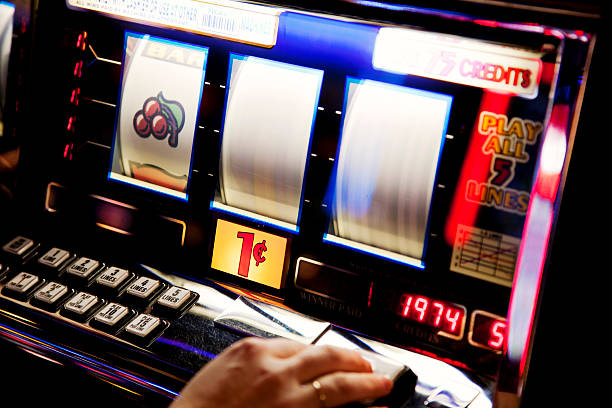
This concept is particularly evident in games like roulette or slot machines, where each spin or round has no influence on the next. The random nature of these games means that players can theoretically continue to win, irrespective of past results. Ignoring this reality can stifle potential gains and limit a player’s enjoyment of the game.
Furthermore, having a consistent strategy while gambling, regardless of streaks, is vital. Players should focus on their budget and game plan rather than getting caught up in the emotional highs and lows of wins and losses. Embracing a more rational perspective can help maintain a healthier gambling experience.
Understanding the Complexities of Gambling and Responsible Practices
The myths surrounding gambling stem largely from a lack of understanding of the psychological and statistical nuances involved in the activity. Education on these subjects can help demystify gambling and offer a more accurate portrayal of what it means to be a gambler. By dispelling the myths and embracing the intricacies of games, players can approach gambling with a more informed mindset, which can enhance their overall experience.
Additionally, the importance of responsible gambling practices cannot be overstated. Websites and organizations dedicated to promoting safe gambling habits provide resources for understanding the psychological aspects of gambling. This knowledge empowers individuals to enjoy their gambling experiences while remaining aware of potential pitfalls.
As discussions around gambling continue to evolve, it is essential to foster an environment where individuals feel informed and supported. By breaking down these myths, we can create a more balanced conversation about gambling that emphasizes responsibility and enjoyment.